
Maintenance and inspection
Understand the asset and recognize its deterioration mechanisms.
A career connecting machinery, reliability, data and applied research.
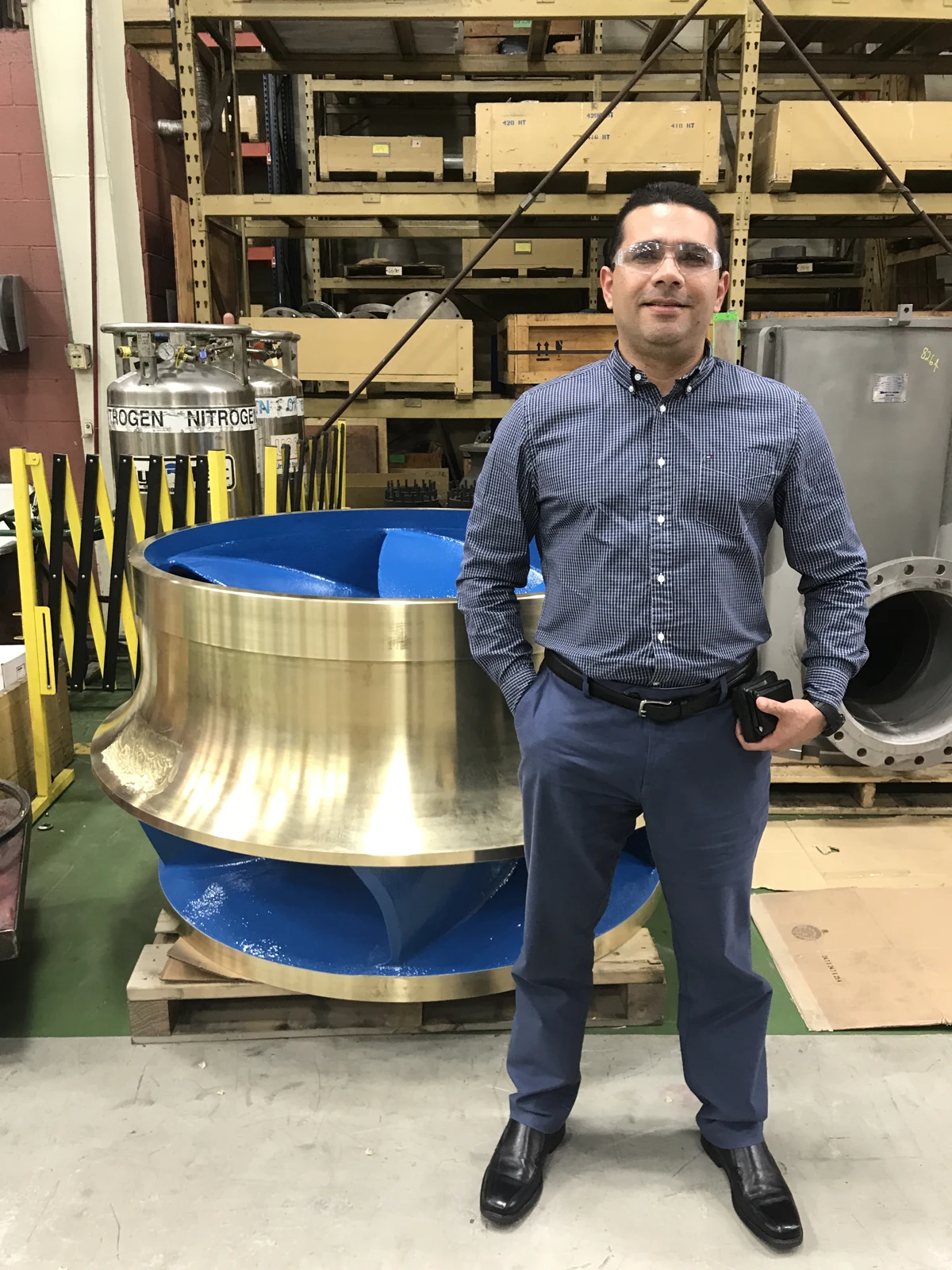
Ernesto Primera has built his career around understanding failure mechanisms and using engineering, data and technology to anticipate their impact on safety, production and availability. His experience began in mechanical maintenance and inspection, developed through vibration analysis and condition monitoring, and expanded into rotating equipment engineering, turbomachinery and corporate technical leadership.
He has worked with refineries, heavy-oil production, offshore facilities, gas processing, power plants and transportation systems. His experience covers pumps, compressors, gas and steam turbines, motors, gearboxes, bearings, mechanical seals, lubrication and auxiliary systems. It includes troubleshooting, overhaul, commissioning, FAT/SAT, RCA, performance analysis, RCM and FMEA.
Training in applied statistics and data analytics enables him to integrate information from sensors, control systems, historians and condition monitoring platforms. His current focus includes anomaly detection, diagnostics and prognostics, alongside the evaluation of machine learning, deep learning and AI agents to support analysis and decisions. Domain knowledge guides the interpretation of deviations and their operational relevance.
Practical experience is complemented by applied research, scientific publications, international training and postgraduate university teaching. This connection brings real machinery problems into analytical methodologies and returns the results to industrial practice. Collaboration with universities and technical organizations is part of this knowledge transfer.
Understand the asset and recognize its deterioration mechanisms.
Turn vibration and operating variables into diagnostics.
Solve machinery problems and improve maintenance strategies.
Connect specialists, facilities and monitoring technologies.
Transform industrial data into models and evidence.
Anticipate anomalies and support operating decisions.